The Evolution of a Legacy
Castlewellan Arboretum is more than just a garden; it is a living history of botanical discovery, a genetic resource and a place to enjoy and learn about heritage and nature.
It has a very rich heritage to explore.
1750s
Foundations
The Annesley family bought the demesne in 1741 from the Magennis Clan. William Annesley's wife, Lady Anne Beresford started a kitchen garden and walled it with little rosy bricks. The walls and the paths still exist today.

They also planted 300 acres of oak trees, and an extensive lime tree avenue. A part of that avenue is still thriving today.

1874-1908
Expansion
Hugh Annesley, the 5th Earl, and his Head Gardener Thomas Ryan expanded the collection of rare and exotic trees. By the early 1900s, over 3,000 species were thriving here, some remain e.g. Cornus capitata planted, known as the Strawberry tree, in 1880.
_JPG.jpg)
He moved and improved the Bothy Yard with glasshouses, cold frames and toolsheds, and added the Mermaid Fountain and adding Heron's to the lower garden's fountain.

1860s
Pleasure Garden
William Richard Annesley, 4th Earl Annesley, made the biggest structural changes, combining the kitchen garden and orchard into a walled Victorian Pleasure Garden, with steps, fountains, terraces, glasshouses and exotic planting.

The multi-stemmed Giant Seqoia was planted in 1856, and over that time it has developed 19 trunks. It was tree of the year in 2018.

1908-1967 Generations
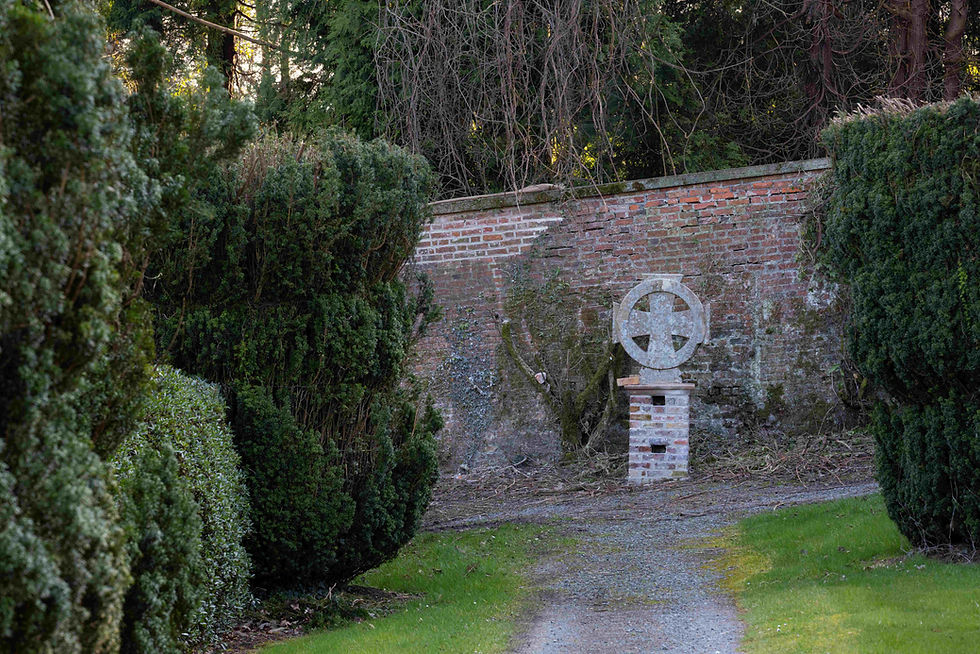
Successive generations added to the Garden and the Arboretum, such as the addition of the Maltese Cross by Mabel Annesley, which was originally designed for St Paul's Church.
Gerald Annesley loved the herbaceous borders and planted the Eucryphia walk. However, in 1967 Gerald sold the demesne to the State.

1967
A Public Park
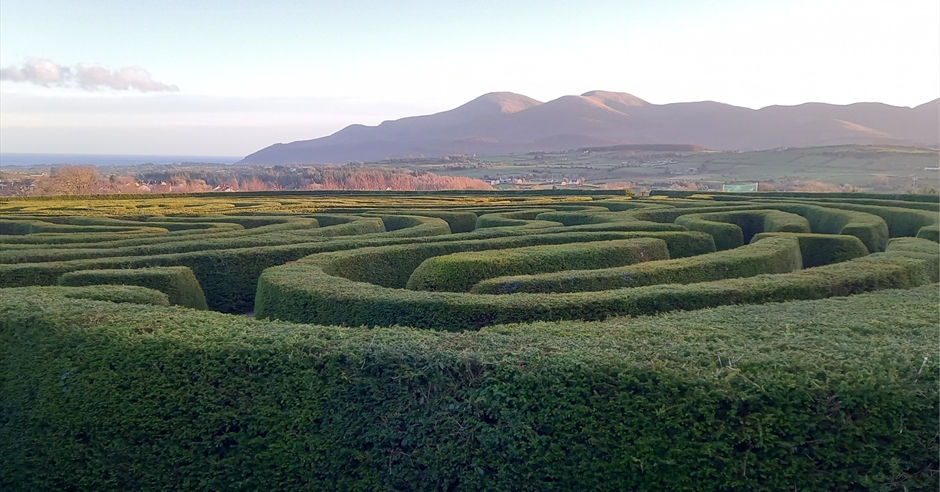
Forest Service opened Castlewellan Forest Park in 1969. They extended the arboretum to 100 acres. In 2001, the Peace Maze was planted - largest hedge maze (at the time) in the world.
In 2022 Newry Mourne and Down District Council (NMDDC) took over the management of the Park.

2021
Restoration
With funding from DAERA's Rural Tourism Grant, NMDDC restored the 1880s glasshouse, gardeners sheds and cold frames and rebuilt the Orchid House..

With a £3m grant from the National Heritage Lottery Fund, match funded by NMDDC the Grange and Annesley Walled Garden have been restored.

Photographic Archive
Hugh Annesley, the 4th Earl Annesley, was an early adopter of photography, with some of his earliest photographs in the Public Record Office for Northern Ireland dating from the 1850s.
These can be used on Flickr Annesley Photographic Collection | Flickr
Hugh photographed family, friends and places he visited. Most importantly for the Arboretum, he photographed trees, the Walled Garden and the landscapes of the demesne. These have been vital to guide the restoration. Here are a few examples.

Portrait of Hugh Annesley, the 4th Earl
In 1903, Hugh published Beautiful and Rare Trees and Shrubs, with photographs and descriptions of significant trees and shrubs within the Walled Garden. The page open shows the Giant Sequoia with Thomas Ryan, the Head Gardener with a description of its origin and growth. He also published a list A list of hardy plants in the garden, Castlewellan [Co. Down], 1889. These publications provide a guide to the Collection Policy.

Paula at the Garden History Girl site has written three great blogs on the garden which we recommend reading.
Castlewellan - Part 1: An Irish gentleman gardener, the 5th Earl Annesley
Castlewellan Part 2: The “long aisles of glass” - Castlewellan's Glasshouses
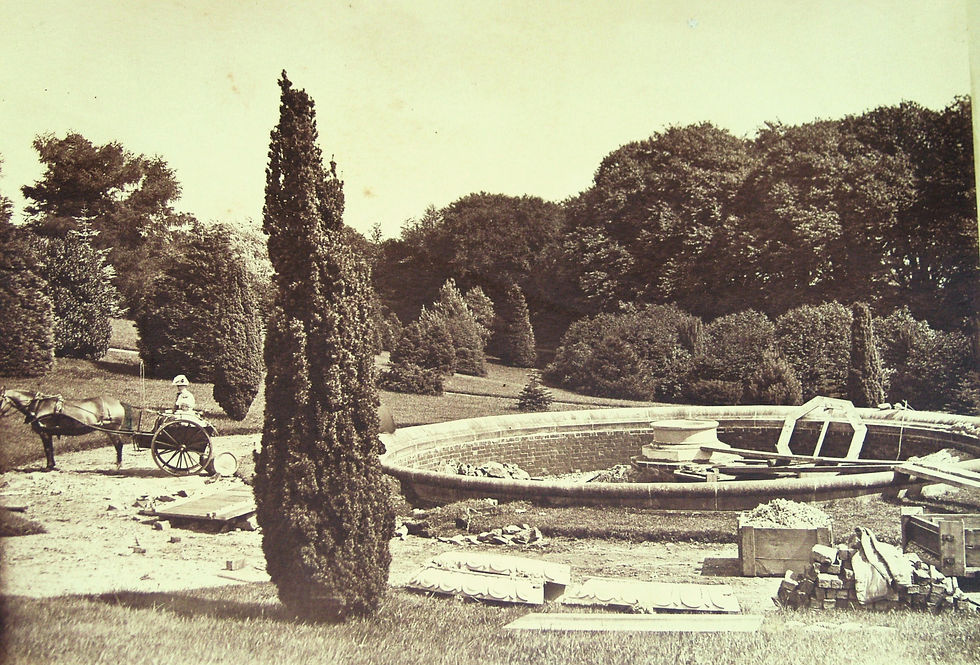
Constructing the Fountain in thelower garden.
Image Use: These historic photographs are shared for personal viewing only and may not be copied, reproduced, or used elsewhere without permission of the Ogilvie Family.

Countess Annesley beside the Peace House
(since demolished)